Separation anxiety at preschool drop-off is common and normal. Get reassuring tips for parents and the strategies our teachers use to ease transitions.
Wondering if your child is ready for preschool? The Little People Preschool shares gentle guidance and a readiness checklist for San Marcos parents.
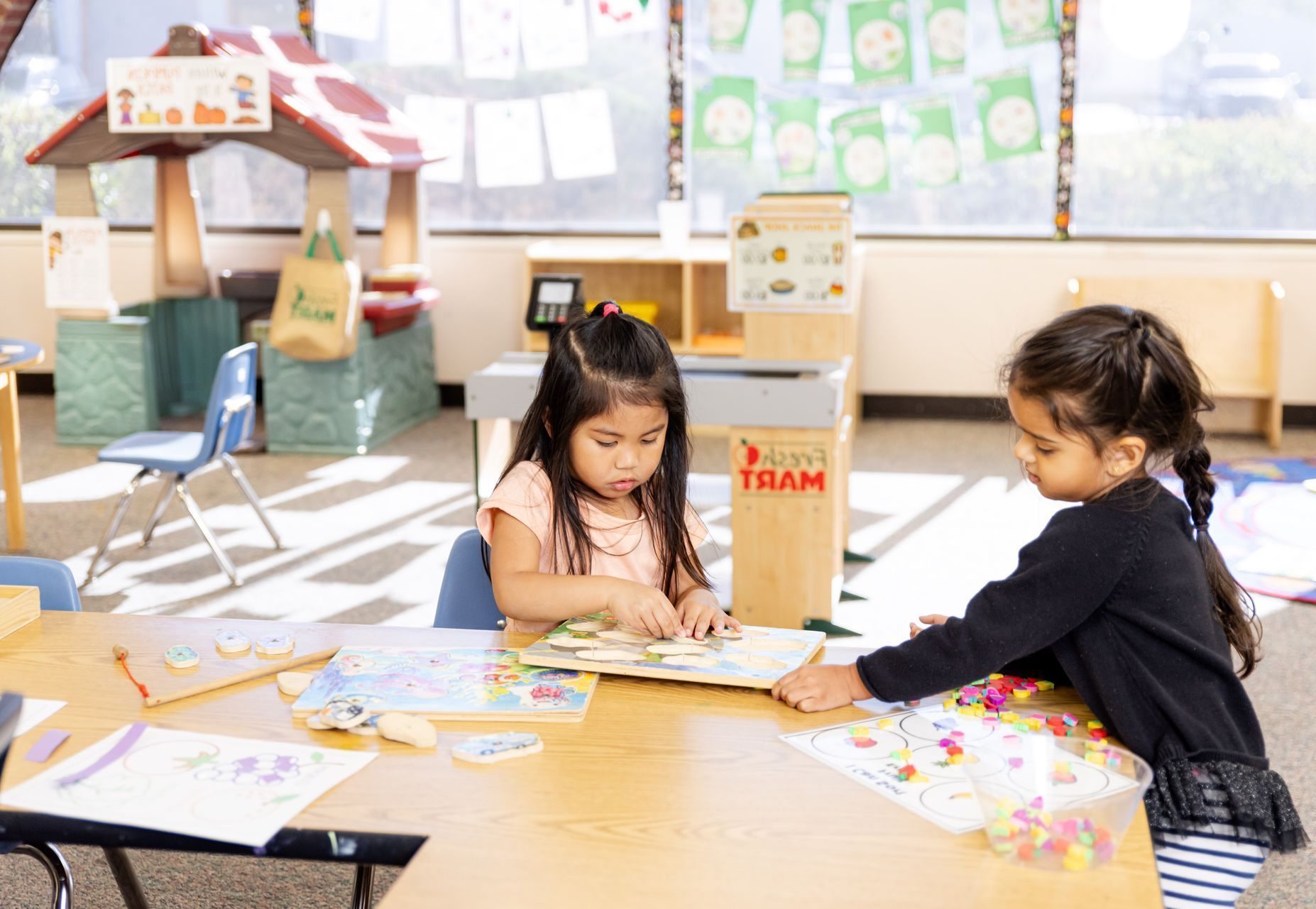
Learn the difference between fine and gross motor skills and how The Little People Preschool helps children develop both through hands-on learning and play.
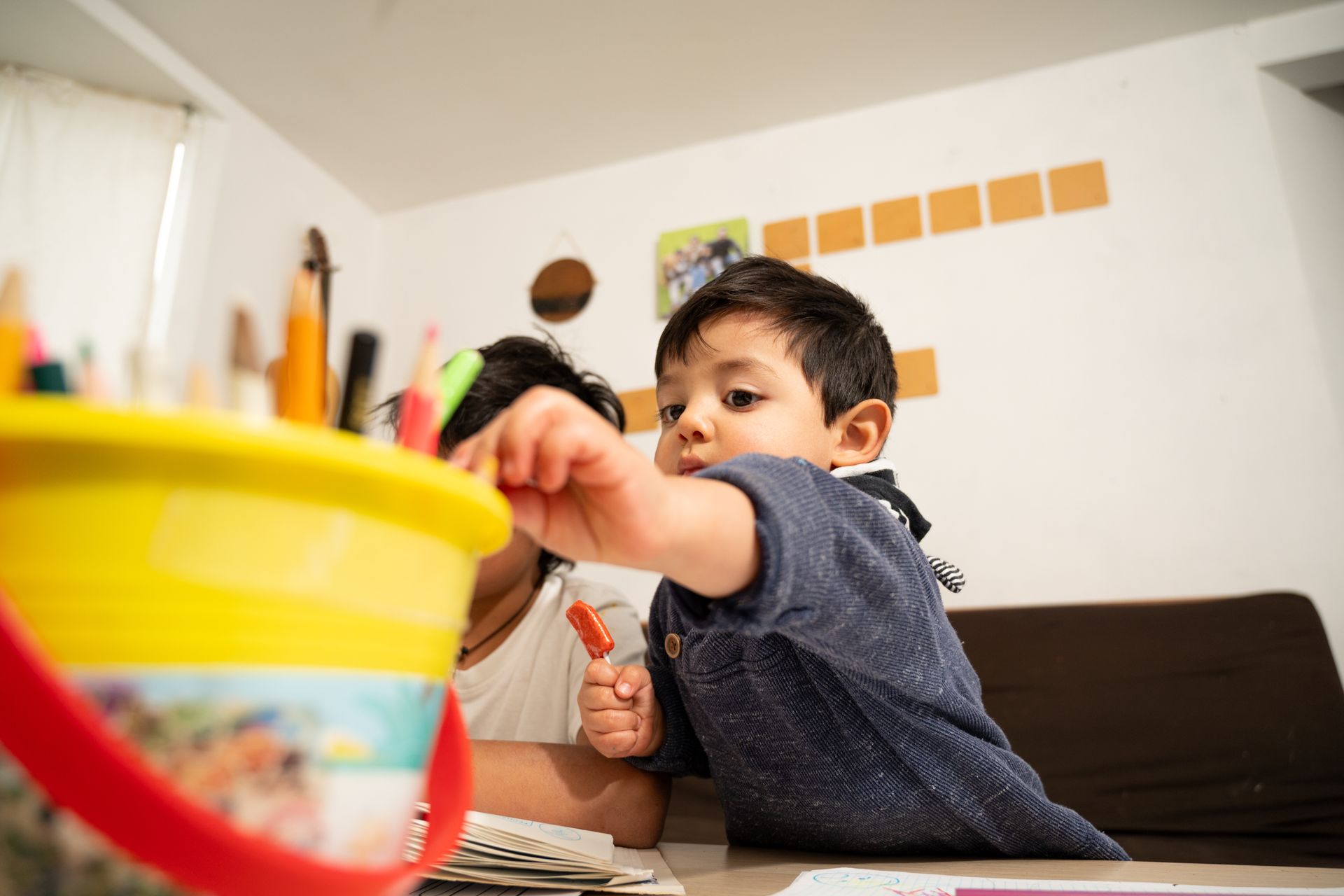
Discover simple, play-based ways parents can support learning at home for preschool-aged children through reading, creativity, everyday activities, and fun routines.
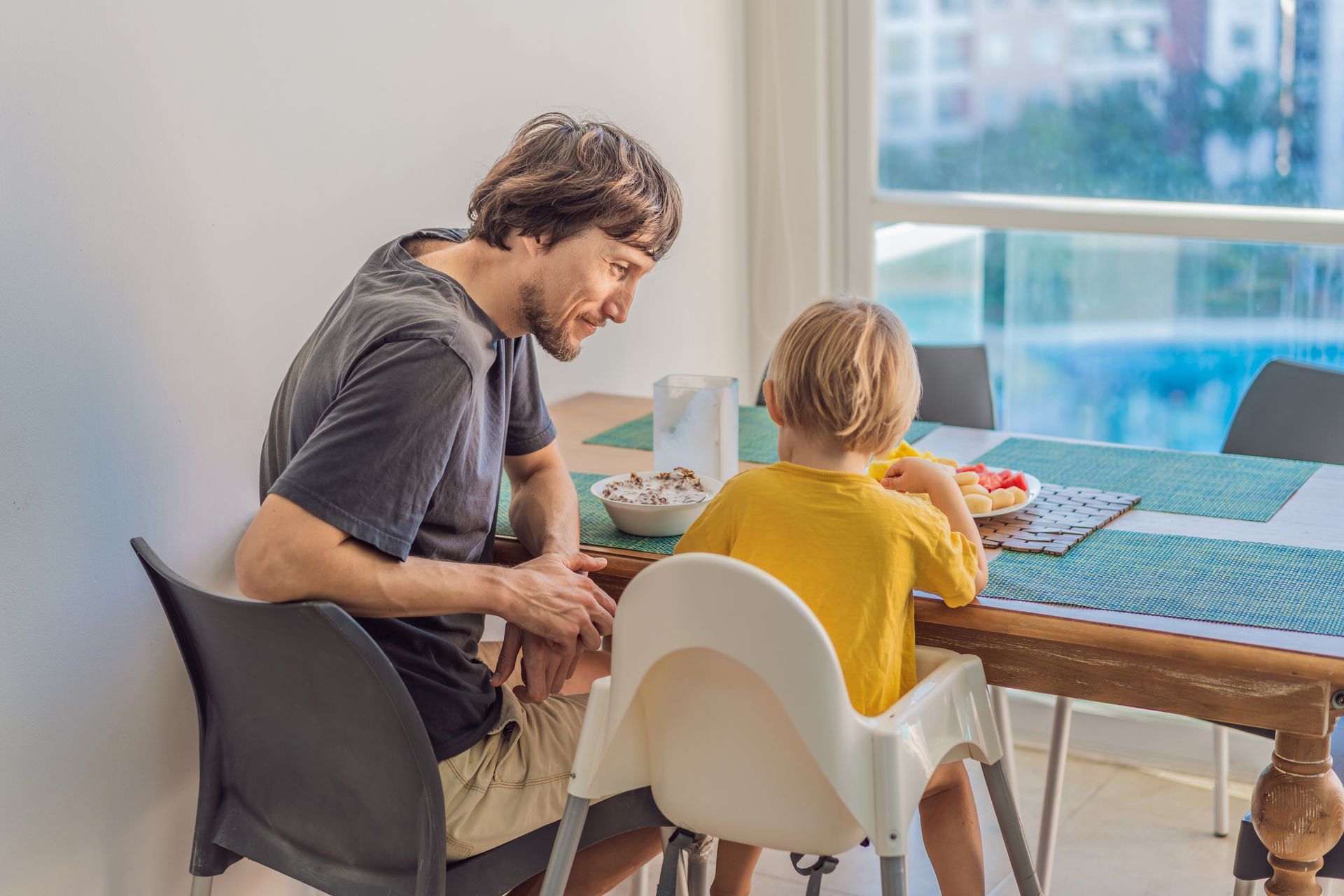
Create a stress-free morning routine for your preschooler. Simple tips to build structure, reduce stress, and set your child up for school success.
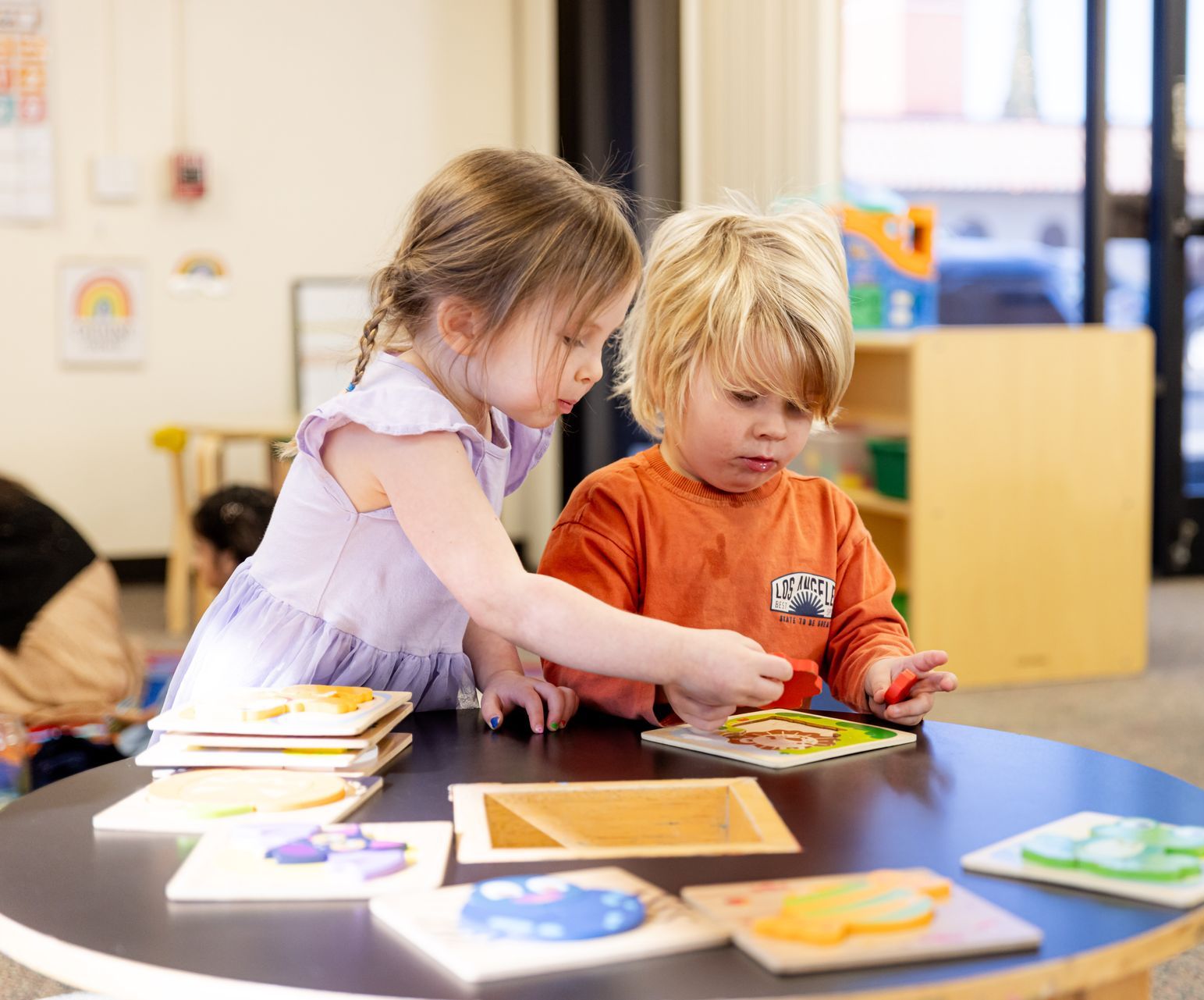
Learn how preschoolers develop social skills like sharing, cooperation, and empathy, and how The Little People Preschool supports early childhood growth.
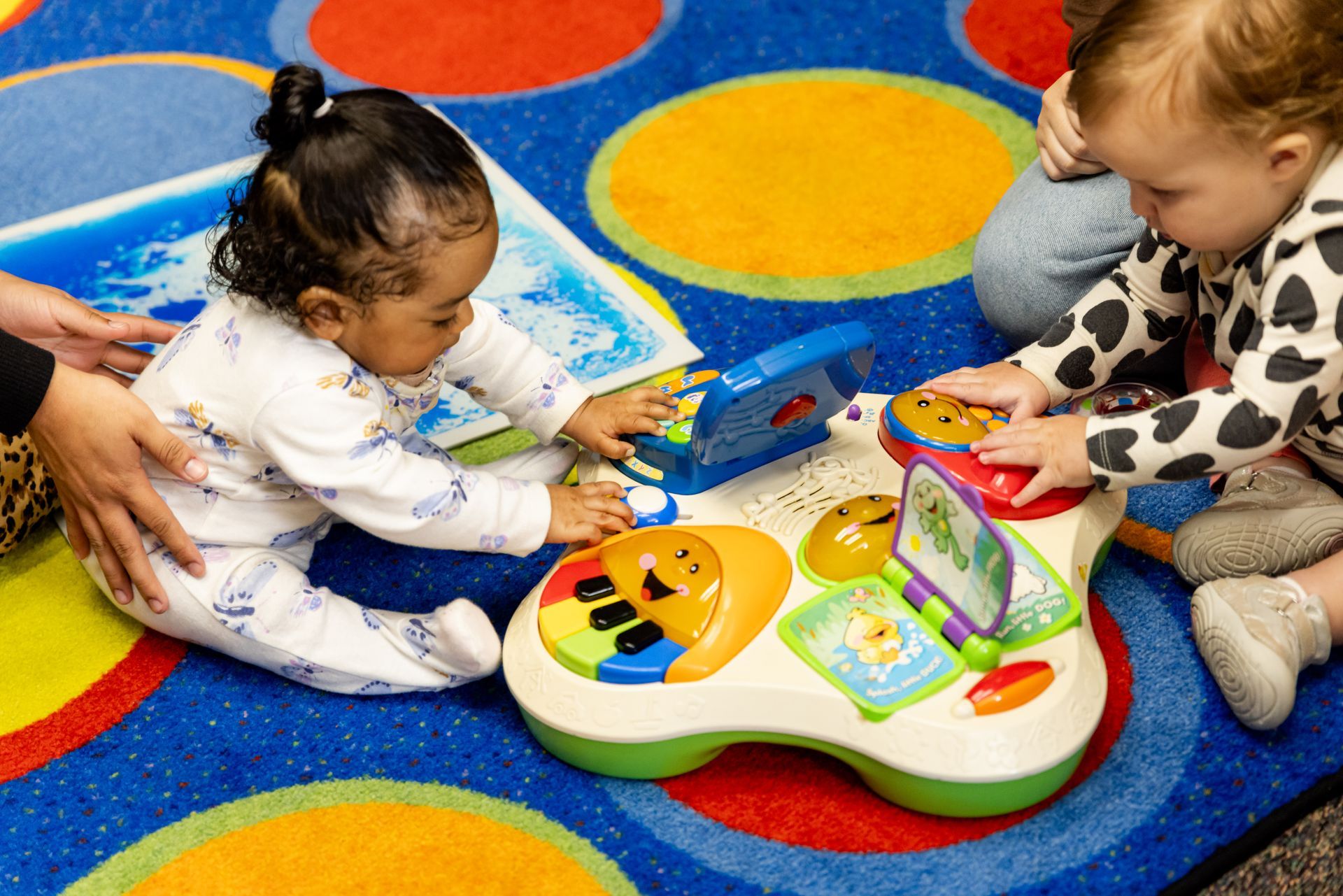
Introducing young children to STEM (Science, Technology, Engineering, and Math) can spark curiosity and lay the foundation for a lifelong love of learning. At The Little People Preschool, children engage in play-based STEM activities that are hands-on, fun, and age-appropriate, helping them develop problem-solving skills, creativity, and confidence. Why STEM Matters for Preschoolers STEM for preschoolers isn’t about complex formulas or technology. It’s about encouraging observation, experimentation, and discovery. Early STEM experiences help children: Develop critical thinking skills by asking questions like “why does this float?” or “what happens if I mix these colors?” Foster creativity through building, experimenting, and exploring new ideas Build confidence by completing projects, from simple experiments to small construction challenges Introducing STEM at a young age helps children see learning as an exciting adventure rather than a task. Learning Through Play STEM is woven into daily activities through hands-on, play-based learning. Examples include: Water and sand exploration: Children experiment with pouring, mixing, and floating objects, learning early physics concepts such as volume and cause-and-effect. Color mixing and art experiments: Using safe paints and materials, children observe how colors combine and change. Building and engineering activities: Blocks, magnets, and simple construction toys encourage problem-solving and understanding of balance and structure. Nature discovery: Outdoor activities like planting seeds, observing insects, and examining leaves introduce basic biology and ecology. These activities are designed to be interactive and safe, allowing each child to explore at their own pace. Encouraging Curiosity Teachers guide children by asking open-ended questions that promote experimentation and observation: “What do you think will happen if we pour this in water?” “How can we make this tower taller without it falling?” “Why do you think this plant needs sunlight to grow?” This approach encourages scientific thinking while keeping the process playful and stress-free. Children learn that mistakes are opportunities to explore and problem-solve. Benefits Beyond STEM Early STEM experiences also support other areas of development: Language skills: Explaining observations improves vocabulary and communication Social skills: Collaborative STEM activities teach teamwork and cooperation Emotional development: Trial-and-error experiences encourage resilience and confidence STEM activities are integrated across the curriculum to help children grow cognitively, socially, and emotionally. Bringing STEM Home Parents can extend STEM learning at home with simple activities: Kitchen experiments: Measuring ingredients, observing dough rise, or melting ice Nature walks: Counting petals, collecting leaves, or observing insects Building projects: Creating structures from blocks or household items Even small projects encourage observation, problem-solving, and creativity beyond the classroom. Why Choose This Approach The Little People Preschool focuses on hands-on, play-based STEM learning that complements broader developmental goals. Children learn by doing, exploring, and asking questions, building a foundation of curiosity, confidence, and problem-solving skills. STEM for little minds is about exploring, experimenting, and discovering the world around them. Play-based STEM activities help children develop critical thinking, creativity, and confidence while making learning enjoyable. By introducing science and exploration through play, children gain the skills and curiosity that set the stage for success in school and life.
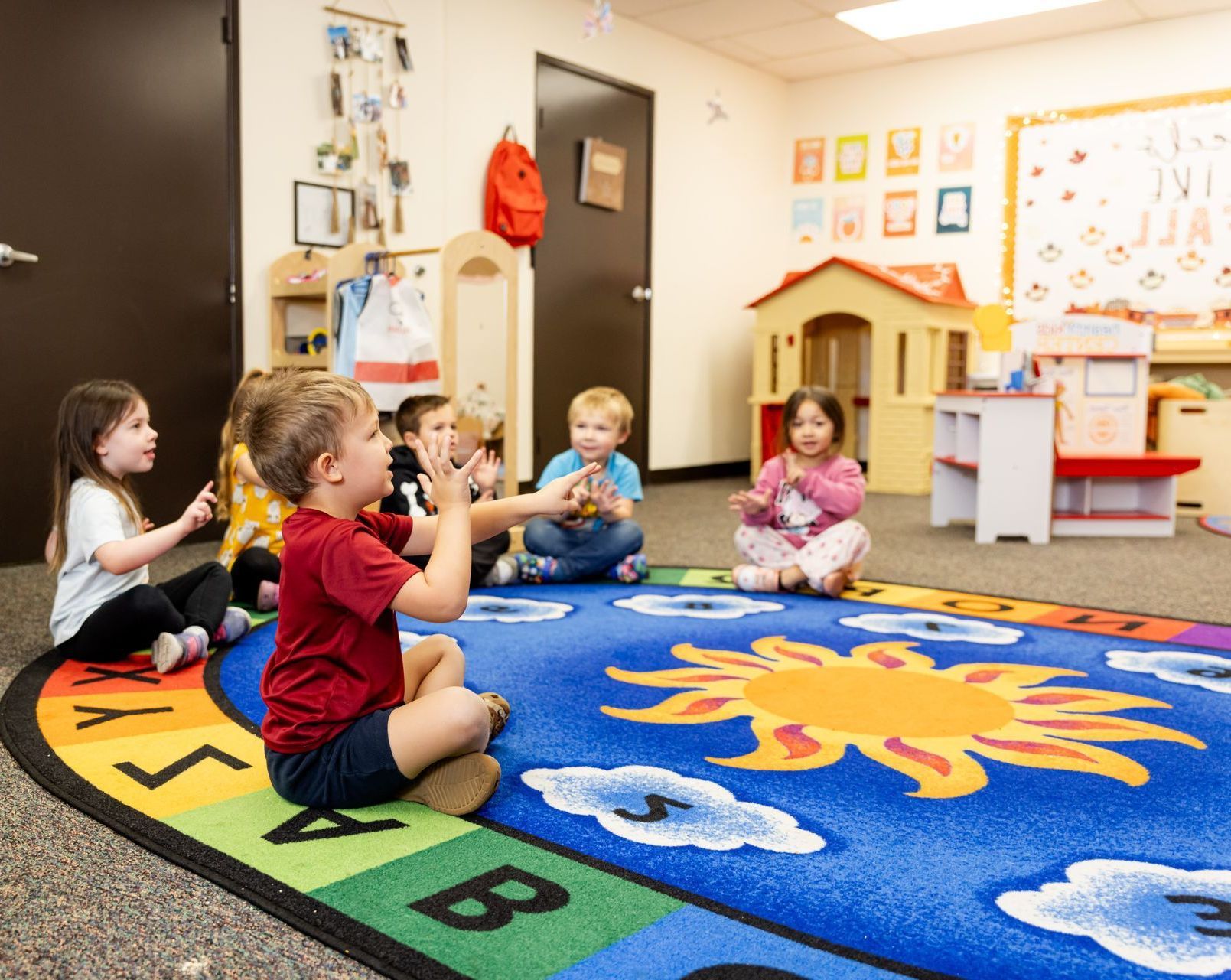
Discover how play-based learning at The Little People Preschool builds creativity, problem-solving skills, confidence, and a strong foundation for lifelong learning.
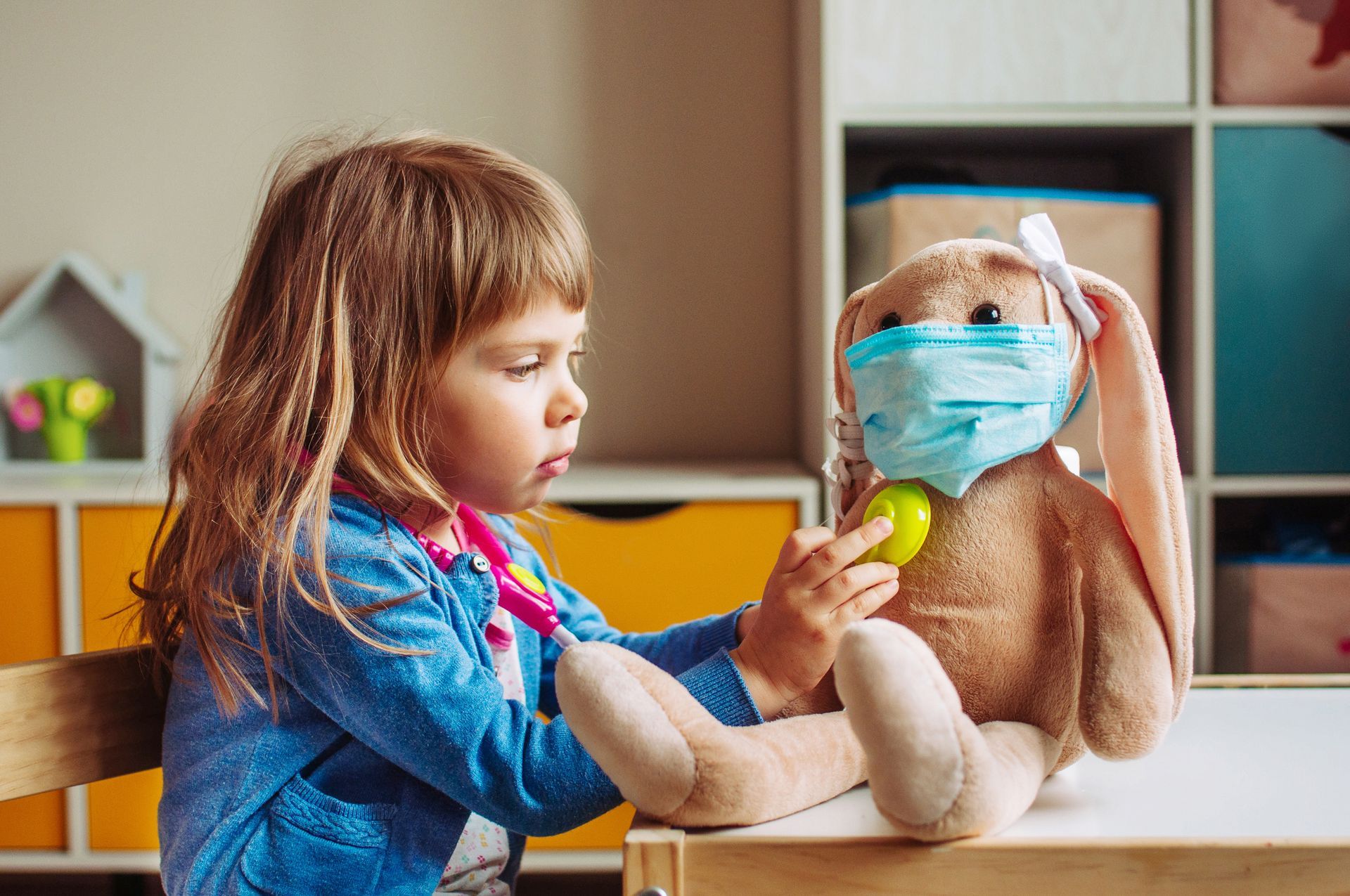
Support your child’s health at preschool with tips on nutrition, sleep, hygiene, and active play. Learn how Little People Preschool helps kids thrive.