How art and music support preschoolers' development, from fine motor skills to emotional expression, and why creative play deserves daily time.
Separation anxiety at preschool drop-off is common and normal. Get reassuring tips for parents and the strategies our teachers use to ease transitions.
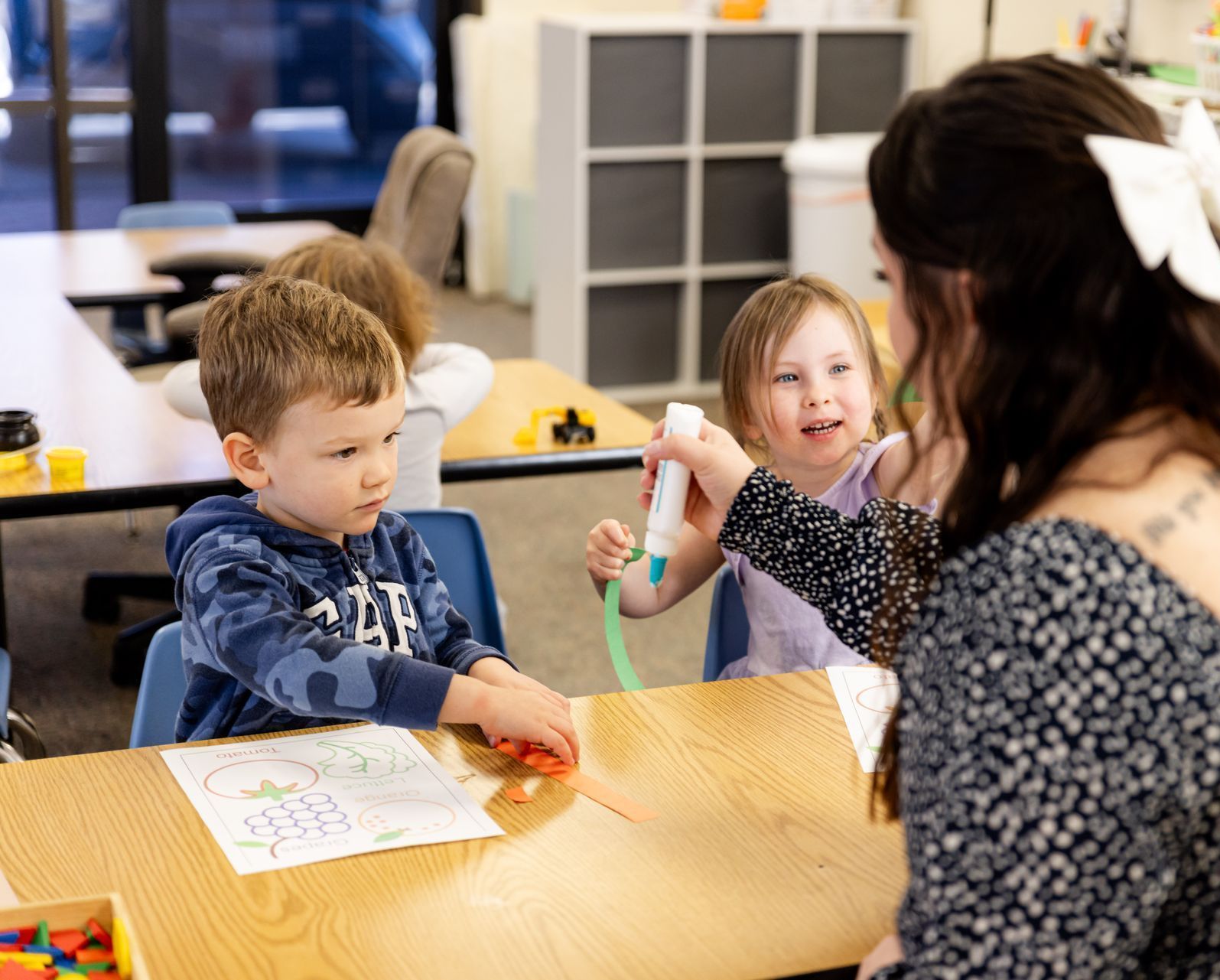
Wondering if your child is ready for preschool? The Little People Preschool shares gentle guidance and a readiness checklist for San Marcos parents.
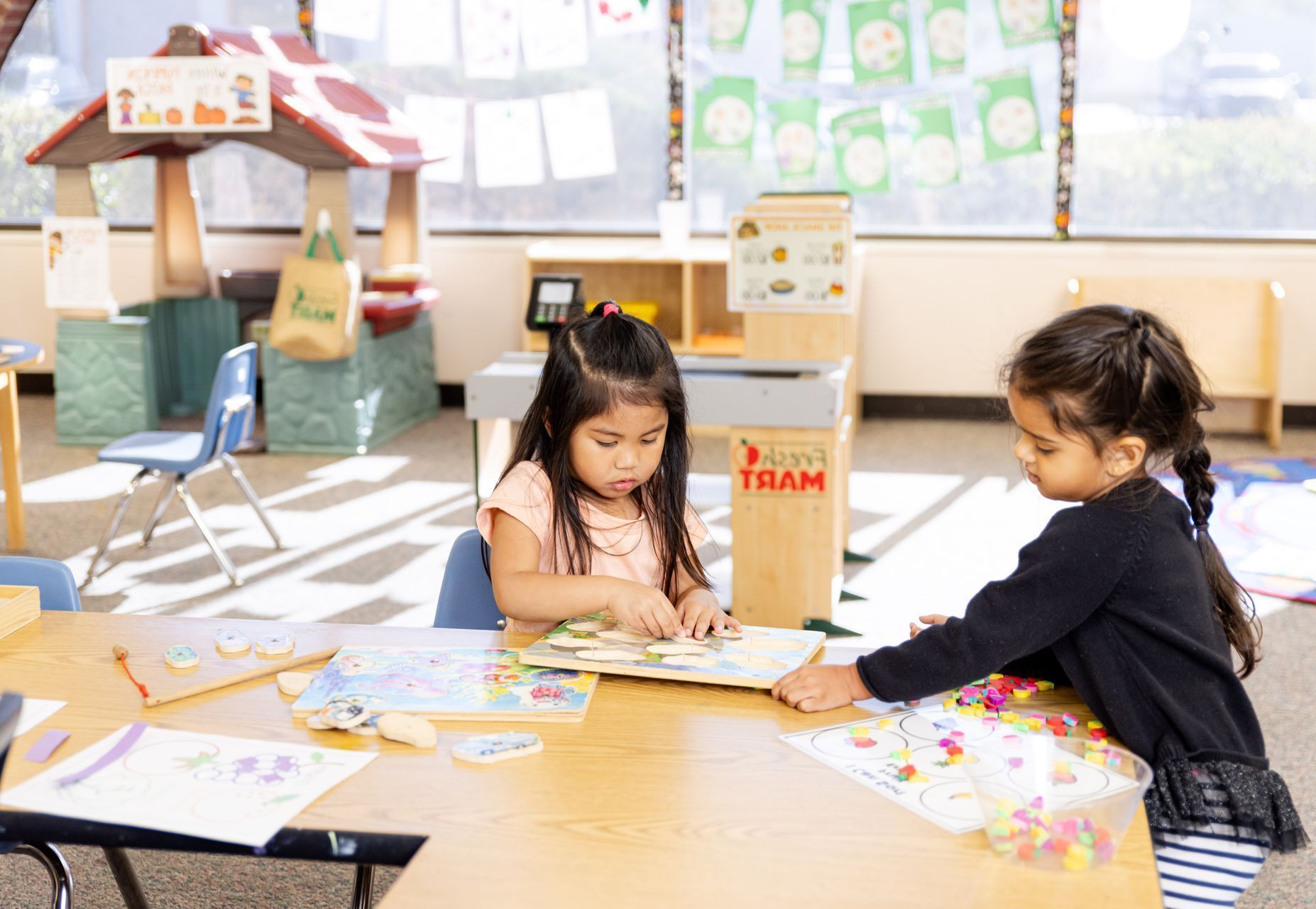
Learn the difference between fine and gross motor skills and how The Little People Preschool helps children develop both through hands-on learning and play.
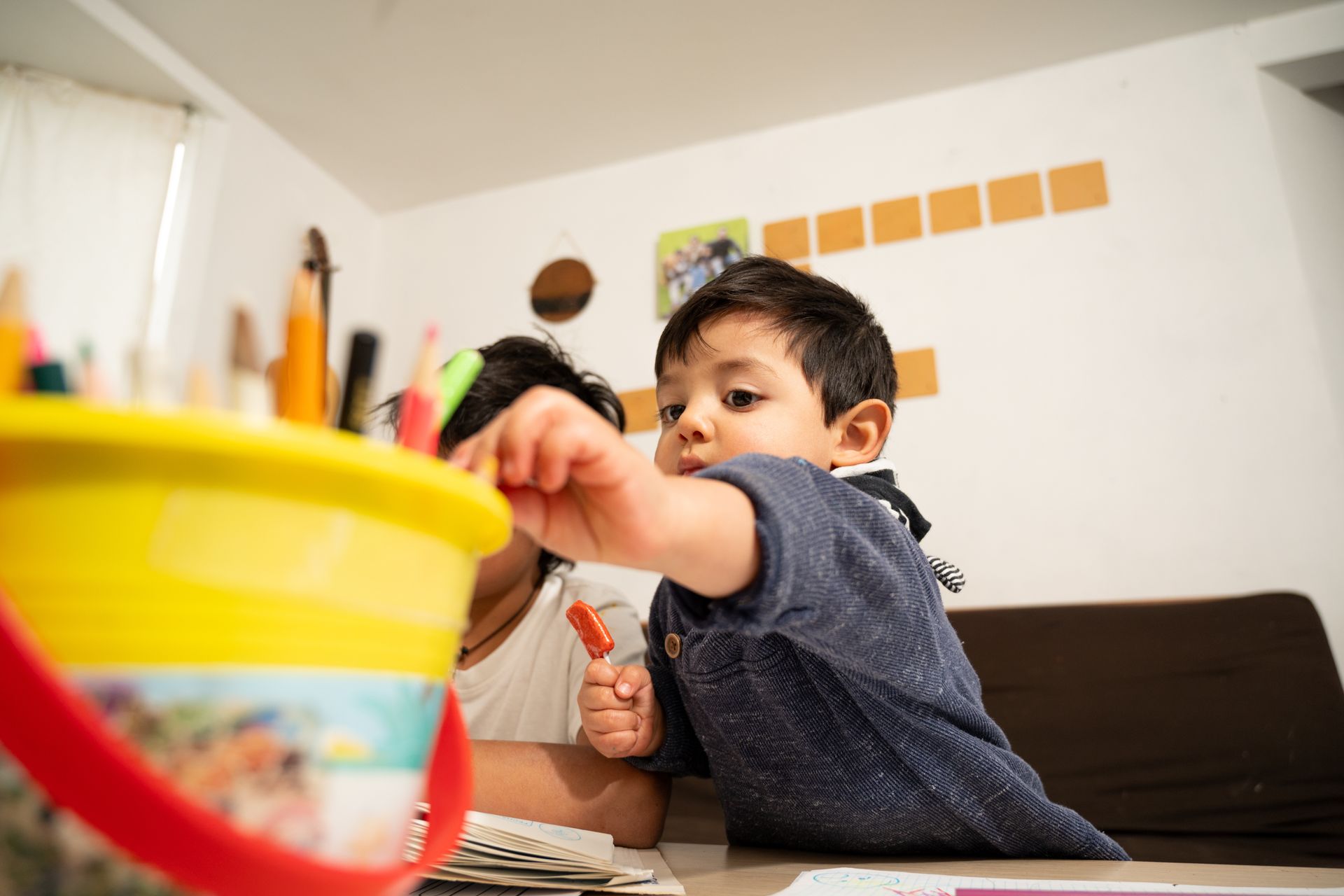
Discover simple, play-based ways parents can support learning at home for preschool-aged children through reading, creativity, everyday activities, and fun routines.
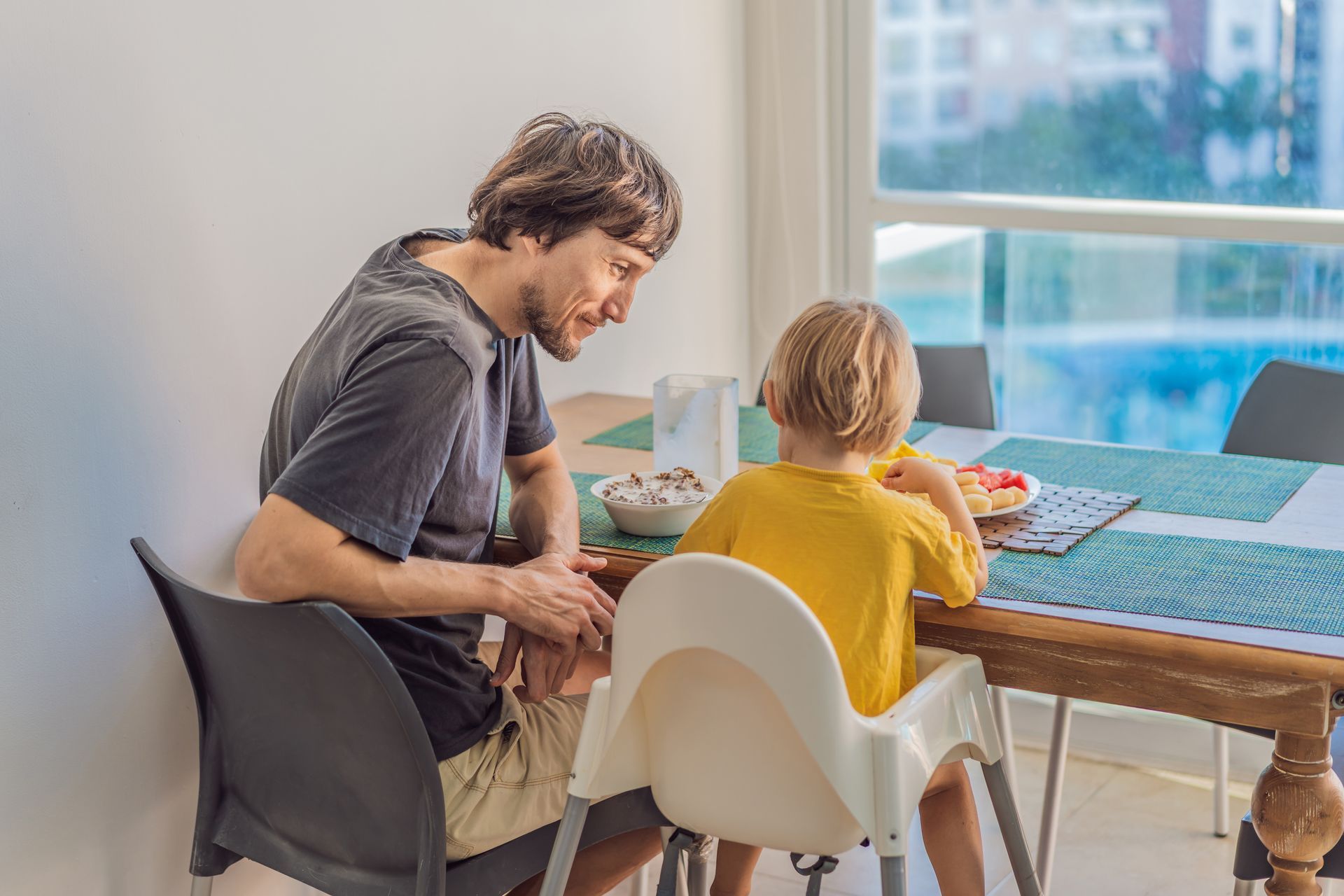
Create a stress-free morning routine for your preschooler. Simple tips to build structure, reduce stress, and set your child up for school success.
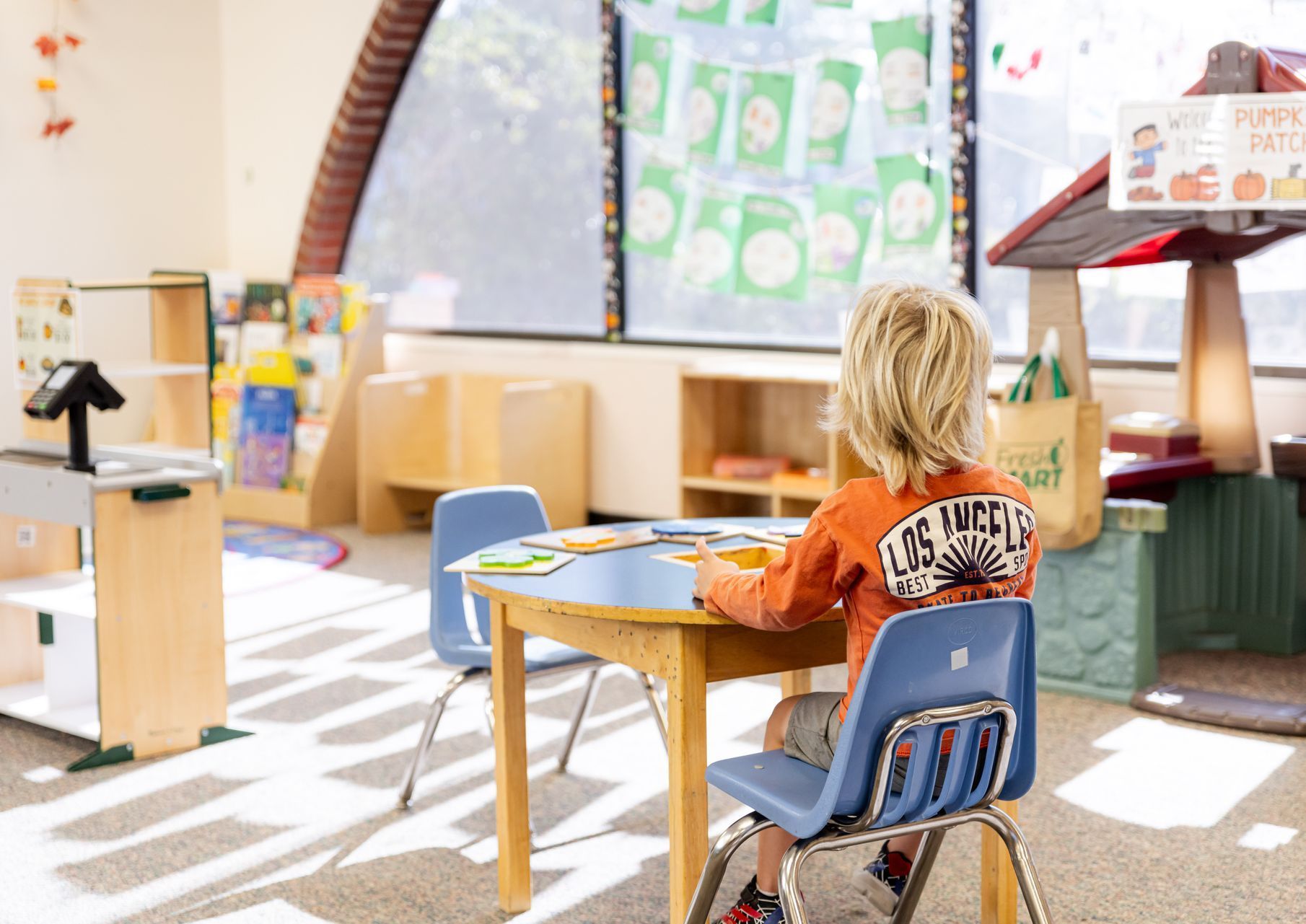
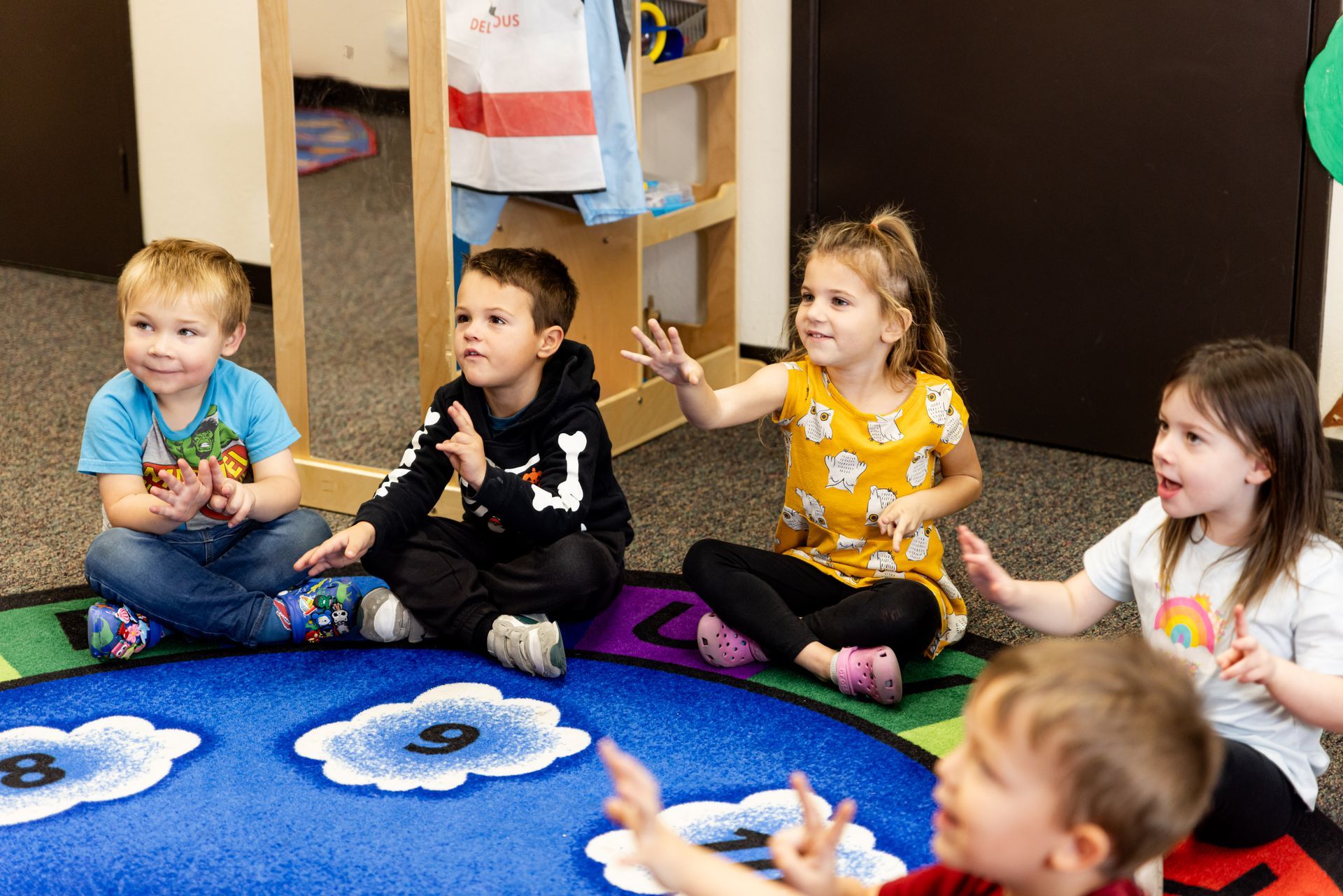
Why Routines Matter for Young Children Children are naturally curious, but unfamiliar situations or constant changes can cause anxiety and uncertainty. A consistent daily schedule helps children anticipate what comes next, which: Reduces stress and anxiety Builds a sense of security and trust Encourages independence and self-confidence When children feel safe, they are more willing to engage in activities, try new skills, and interact positively with teachers and peers. Routines Support Learning and Focus Predictable schedules don’t just improve emotional well-being — they directly impact learning. Regular routines help children: Focus better in structured activities: Knowing what’s next allows children to transition smoothly from playtime to circle time or lessons. Build self-regulation skills: Children learn to manage impulses, wait their turn, and follow directions. Develop memory and attention: Repetition and consistency reinforce cognitive skills and understanding of expectations. By structuring the day with a balance of learning, play, and rest, children can absorb new information more effectively and participate more confidently in classroom activities. Examples of Helpful Preschool Routines Some examples of routines that promote safety and confidence include: Morning arrival rituals: Greeting teachers and peers, putting away belongings, and starting the day with a familiar activity. Snack and meal times: Predictable breaks for nourishment and social interaction. Learning blocks and circle time: Structured periods for academic and social skill development. Active play and outdoor time: Scheduled movement breaks that support both physical and emotional health. Quiet time or rest periods: Offering children a chance to recharge and practice self-soothing. When children can anticipate each part of the day, transitions become smoother, and they are less likely to feel frustrated or overwhelmed. Tips for Parents to Support Routines at Home Parents can reinforce preschool routines by establishing simple, predictable practices at home : Consistent bedtime and morning routines: Regular sleep schedules improve mood, focus, and readiness to learn. Predictable mealtime and snack times: Helps children regulate hunger and energy levels. Structured play and learning periods: Short, daily activities for reading, drawing, or educational games. Clear transitions: Give children a heads-up before moving from one activity to another. By mirroring school routines at home, children feel continuity, which reinforces their sense of security and confidence. Building a Sense of Safety Through Routine At The Little People Preschool , our structured schedules are designed to nurture emotional, social, and cognitive development. C hildren who experience predictable routines gain: Confidence to explore new activities Comfort in social settings Skills to manage transitions and unexpected changes Routines are more than schedules — they are a framework that helps children feel supported and ready to learn every day. Conclusion Predictable routines are essential for helping children feel safe, secure, and confident. They reduce anxiety, improve focus, and encourage independence, laying the groundwork for success both in preschool and beyond. By combining structured classroom routines with supportive habits at home, parents and teachers can help children thrive emotionally, socially, and academically.
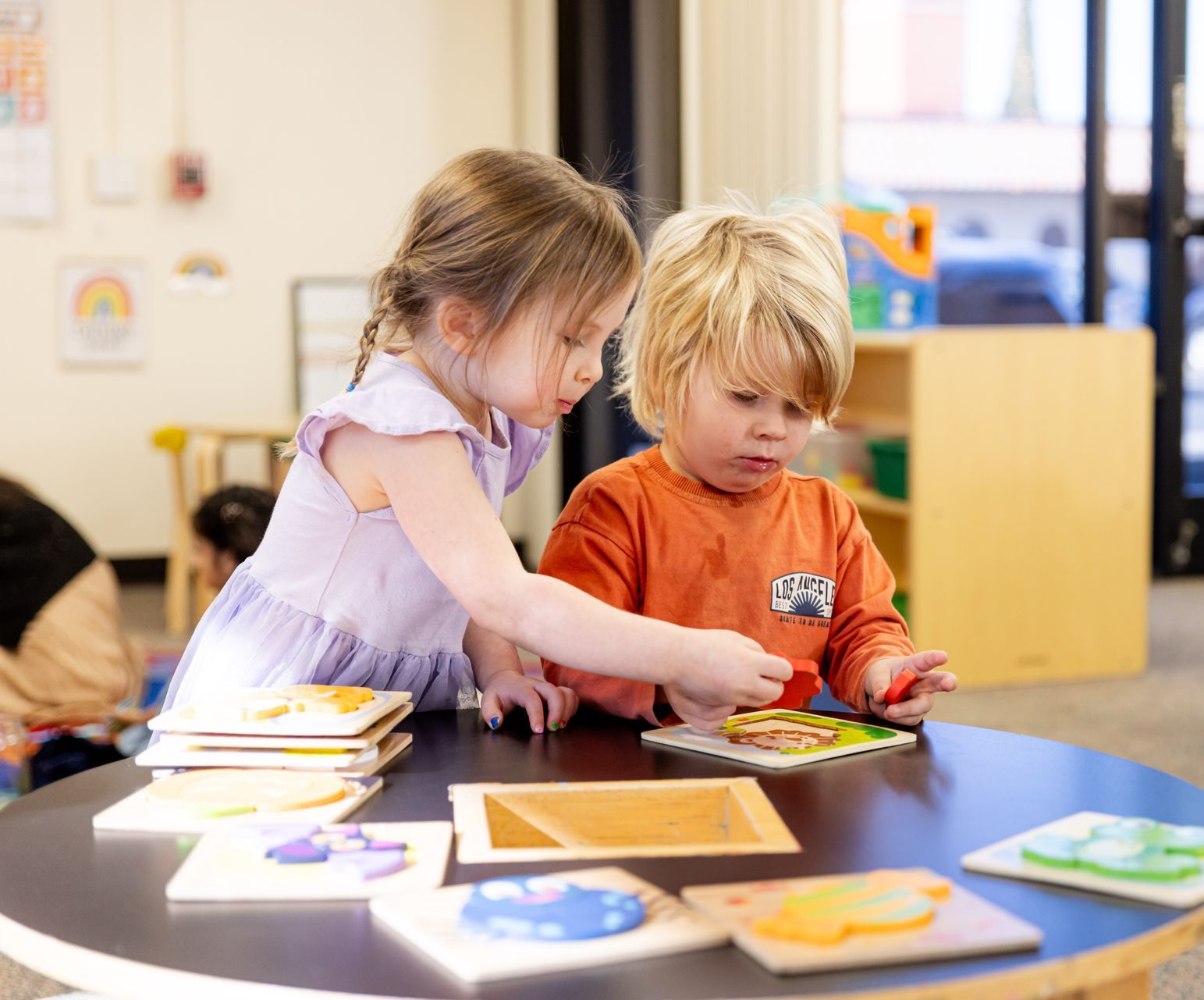
Learn how preschoolers develop social skills like sharing, cooperation, and empathy, and how The Little People Preschool supports early childhood growth.
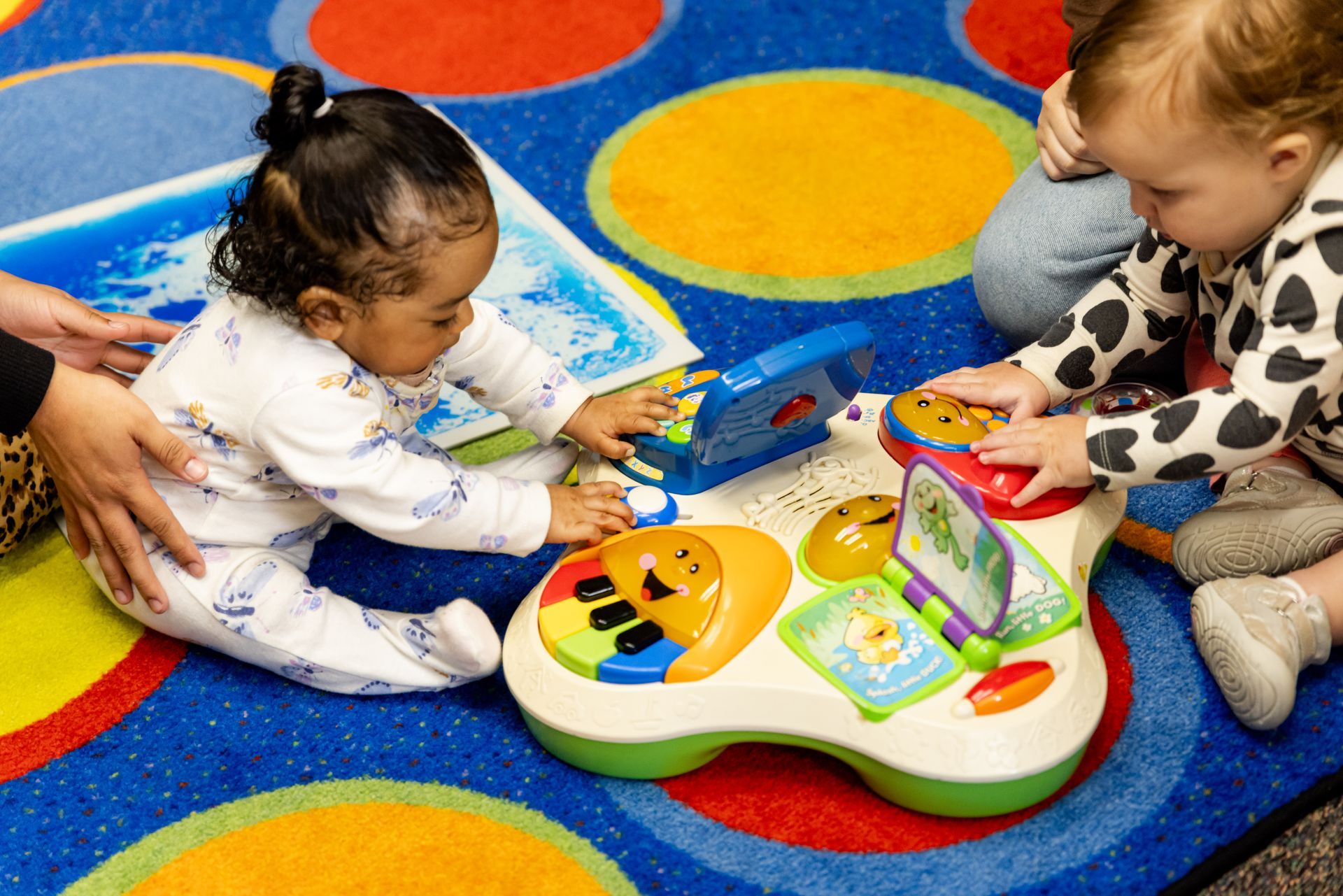
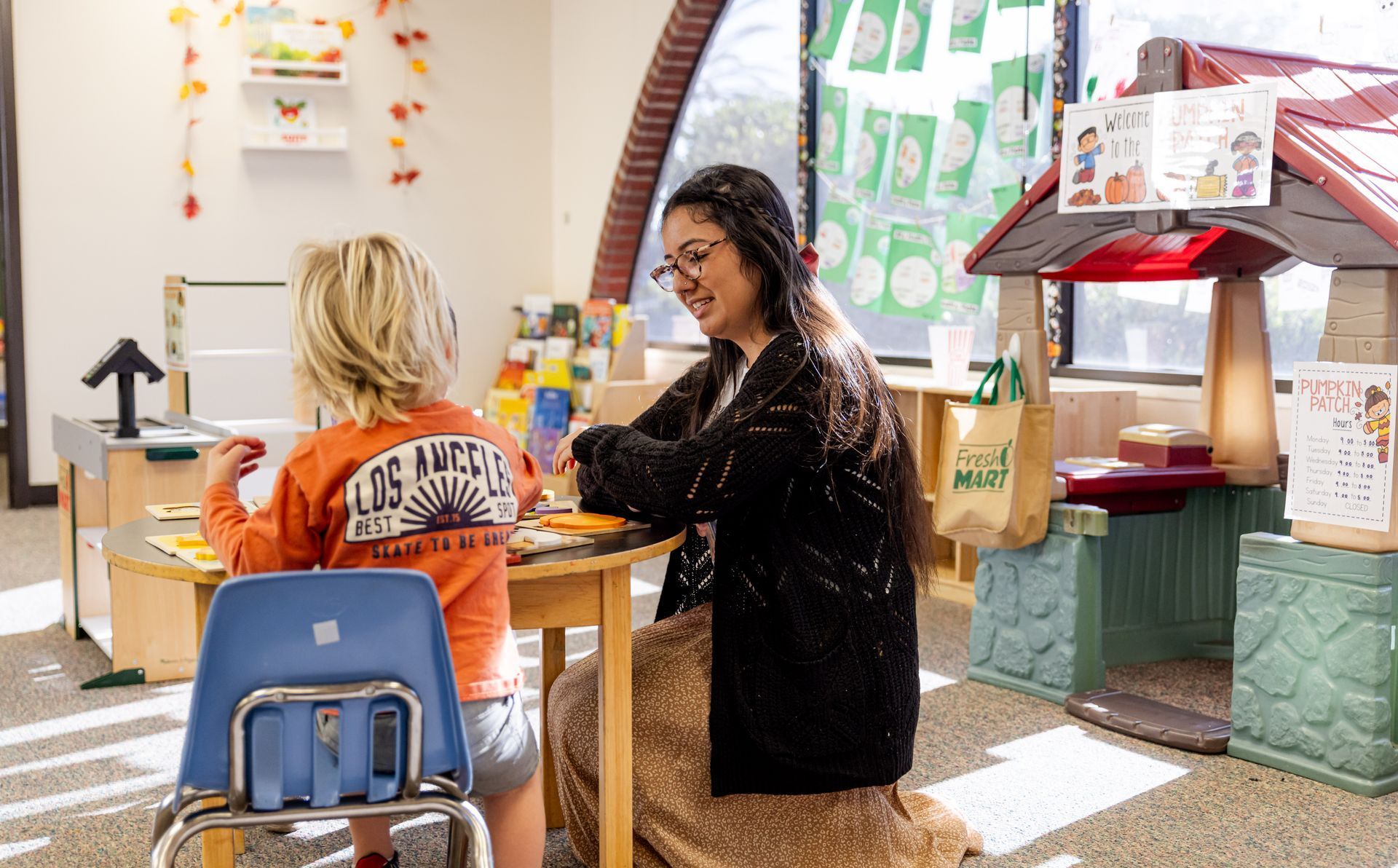
Introducing young children to STEM (Science, Technology, Engineering, and Math) can spark curiosity and lay the foundation for a lifelong love of learning. At The Little People Preschool, children engage in play-based STEM activities that are hands-on, fun, and age-appropriate, helping them develop problem-solving skills, creativity, and confidence. Why STEM Matters for Preschoolers STEM for preschoolers isn’t about complex formulas or technology. It’s about encouraging observation, experimentation, and discovery. Early STEM experiences help children: Develop critical thinking skills by asking questions like “why does this float?” or “what happens if I mix these colors?” Foster creativity through building, experimenting, and exploring new ideas Build confidence by completing projects, from simple experiments to small construction challenges Introducing STEM at a young age helps children see learning as an exciting adventure rather than a task. Learning Through Play STEM is woven into daily activities through hands-on, play-based learning. Examples include: Water and sand exploration: Children experiment with pouring, mixing, and floating objects, learning early physics concepts such as volume and cause-and-effect. Color mixing and art experiments: Using safe paints and materials, children observe how colors combine and change. Building and engineering activities: Blocks, magnets, and simple construction toys encourage problem-solving and understanding of balance and structure. Nature discovery: Outdoor activities like planting seeds, observing insects, and examining leaves introduce basic biology and ecology. These activities are designed to be interactive and safe, allowing each child to explore at their own pace. Encouraging Curiosity Teachers guide children by asking open-ended questions that promote experimentation and observation: “What do you think will happen if we pour this in water?” “How can we make this tower taller without it falling?” “Why do you think this plant needs sunlight to grow?” This approach encourages scientific thinking while keeping the process playful and stress-free. Children learn that mistakes are opportunities to explore and problem-solve. Benefits Beyond STEM Early STEM experiences also support other areas of development: Language skills: Explaining observations improves vocabulary and communication Social skills: Collaborative STEM activities teach teamwork and cooperation Emotional development: Trial-and-error experiences encourage resilience and confidence STEM activities are integrated across the curriculum to help children grow cognitively, socially, and emotionally. Bringing STEM Home Parents can extend STEM learning at home with simple activities: Kitchen experiments: Measuring ingredients, observing dough rise, or melting ice Nature walks: Counting petals, collecting leaves, or observing insects Building projects: Creating structures from blocks or household items Even small projects encourage observation, problem-solving, and creativity beyond the classroom. Why Choose This Approach The Little People Preschool focuses on hands-on, play-based STEM learning that complements broader developmental goals. Children learn by doing, exploring, and asking questions, building a foundation of curiosity, confidence, and problem-solving skills. STEM for little minds is about exploring, experimenting, and discovering the world around them. Play-based STEM activities help children develop critical thinking, creativity, and confidence while making learning enjoyable. By introducing science and exploration through play, children gain the skills and curiosity that set the stage for success in school and life.
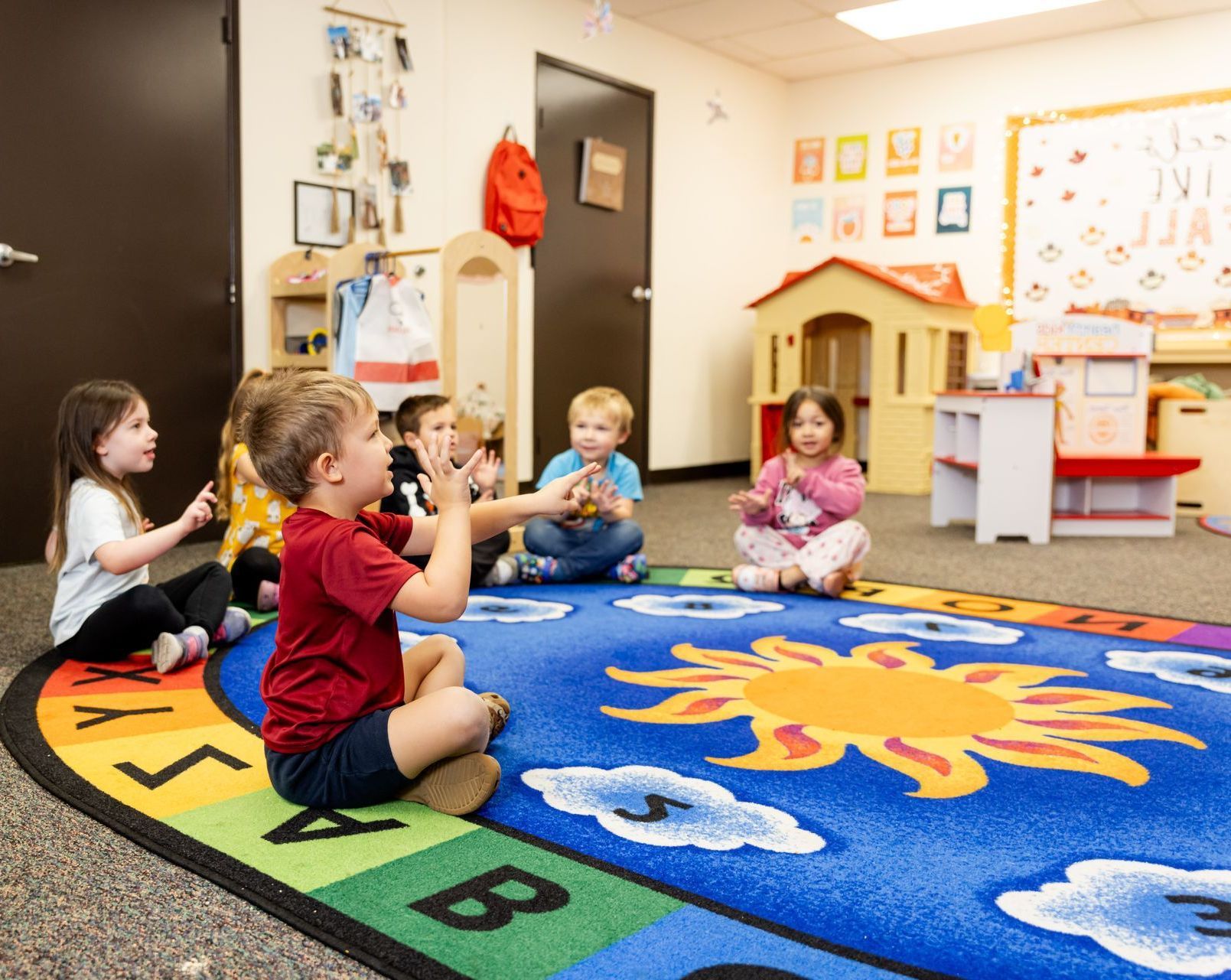
Discover how play-based learning at The Little People Preschool builds creativity, problem-solving skills, confidence, and a strong foundation for lifelong learning.